
The seventeen maps.
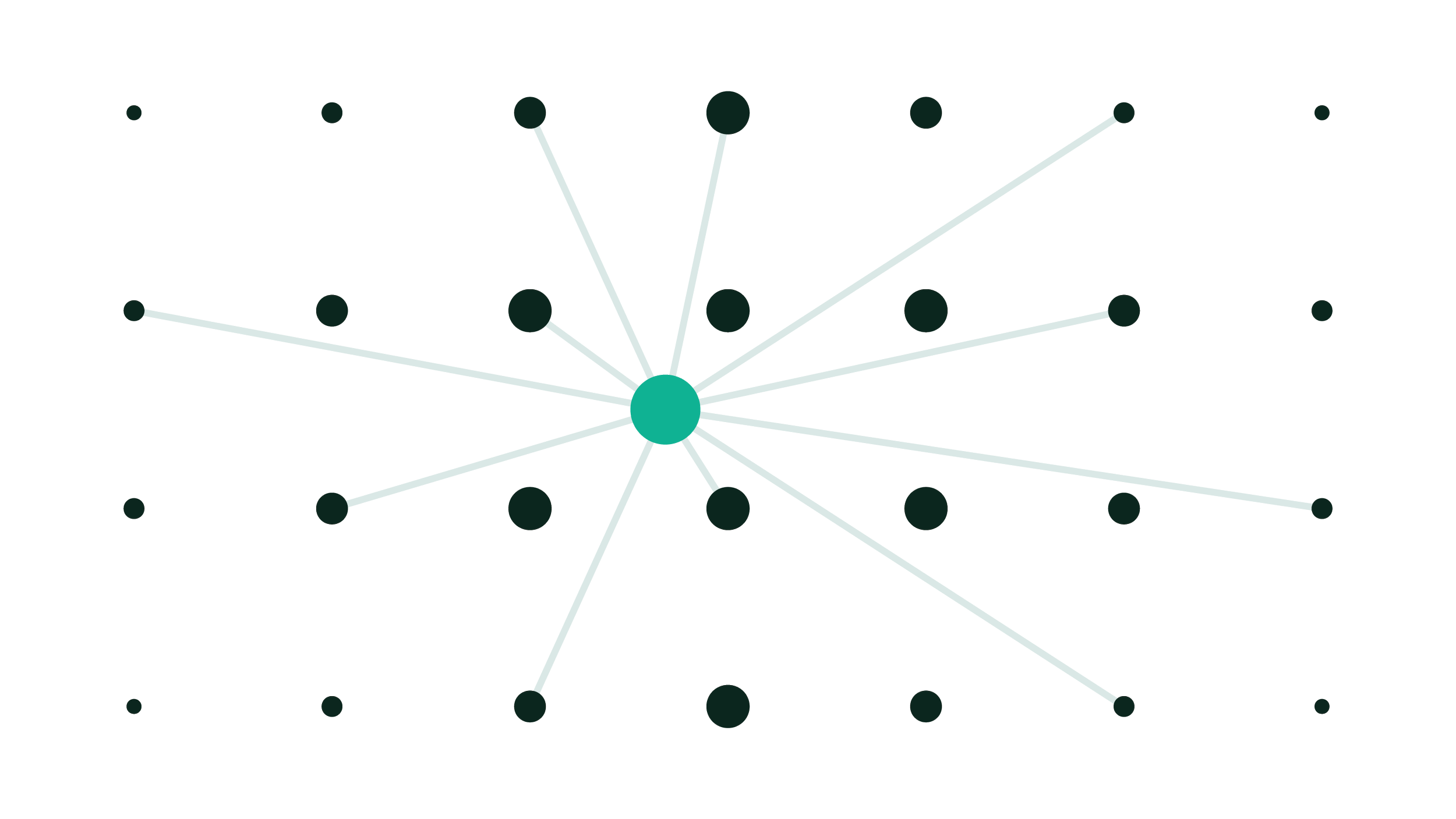
Fifteen people were quietly working from fifteen different mental maps of the same business.
The situation how the client experienced it.
The company had scaled rapidly from a handful of people to a team of fifteen, expanding from three product categories to more than ten, serving over fifty major clients. The shared digital server had grown alongside the business, but entirely without an overarching system.
Over the years, private employee logics had compounded into an operational maze:
Structural fragmentation: Each new hire introduced their own folder structures and naming conventions, duplicating entire directories across different corners of the server.
Onboarding friction: New joiners lost hours attempting to locate standard files, severely damaging early productivity and momentum.
Invisible silos: Desperate team members quietly gave up on the shared server altogether, saving vital work locally to their own machines.
Duplicated efforts: Identical work began happening in parallel, invisibly, because no one could see what anyone else had already executed.
Leadership had completely lost visibility over their own operation, and the chaotic digital environment was actively fracturing the team.
What I actually did.
The brief from leadership was simple: "Sort out this mess."
I began with a discovery conversation with the leaders to map out the categories, client volume, and what percentage of the server remained in active use. From there, I moved to one-to-one interviews with team members, allowing them to voice operational frustrations to an external party with no stake in protecting legacy habits.
By the third interview, I noticed a profound systemic issue: the team's reality did not match leadership's view. One person was operating from ten categories, another from eight, another from thirteen—and the definitions did not align.
Realising that further interviews would only yield more fragmented data, I pivoted from individual conversations to an intensive group session. The folders weren't the real issue. The true problem was that fifteen people were navigating completely different internal maps.
The reference I built.
I resolved the underlying alignment debt before touching a single file on the server, building the reference in two strategic stages:
The Wall-Sized Taxonomy Map: The first reference I built was a physical, wall-sized blueprint mapping out every single product category and sub-category ever used by the team. This map became the central object the conversation happened around. By physically moving elements into clusters together, the team debated with hard evidence rather than memory, reaching a unified taxonomy for the first time.
The Colour-Coded Structural Blueprint: Once the core categories were universally agreed upon, the remaining interviews were completed rapidly. I drew a highly visual map of the entire newly proposed server structure, colour-coded by operational layer.
What changed after.
Enforcement-free adoption: Because the team built the shape of the system themselves, adoption required zero corporate enforcement. The team self-organised into pairs, with each taking ownership of reshaping one quadrant of the server against the new map.
Restored operational visibility: Leadership reported an immediate, radical shift in ownership. The parallel, duplicated-work problem completely vanished because the shared map made everyone's outputs visible to the rest of the organisation again.
Instantaneous onboarding: The final structural map became a permanent visual anchor pinned to the wall, allowing new joiners to onboard instantly without needing a generic, two-hour server tour.
What I learned.
The stated problem is almost never the real problem, and the real problem is almost never solved by the technical asset you were asked to build. I had been brought in to reorganise a digital server. The actual work was upstream: fifteen people needed to look at the exact same picture of their own business before a single file could be usefully moved.
This project is where I first understood how quietly clarity debt accumulates. No one had made a poor decision. Everyone had done their reasonable best. The debt had built up entirely in the gaps between them, invisibly, over years—and clearing it required making those gaps visible first.